They say you never stop learning, and in renovations that is absolutely true. After years working on full home renovations, I’ve built a habit that has become one of my most valuable tools: at the end of each project, I write down my “lessons learned”. It helps me improve every process, and it’s also one of the reasons my clients benefit from a smoother, more considered experience.
If you are about to start a renovation, these are the lessons I wish I had known earlier — the ones that can save you time, money and a great deal of stress.
1. Design comes first
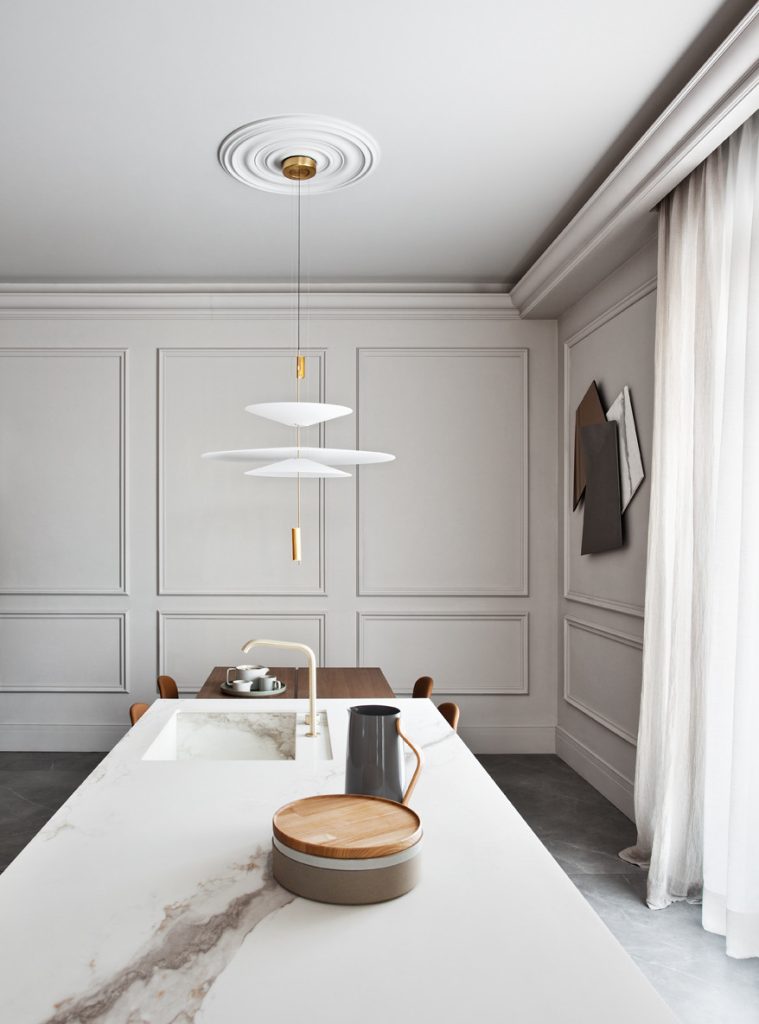
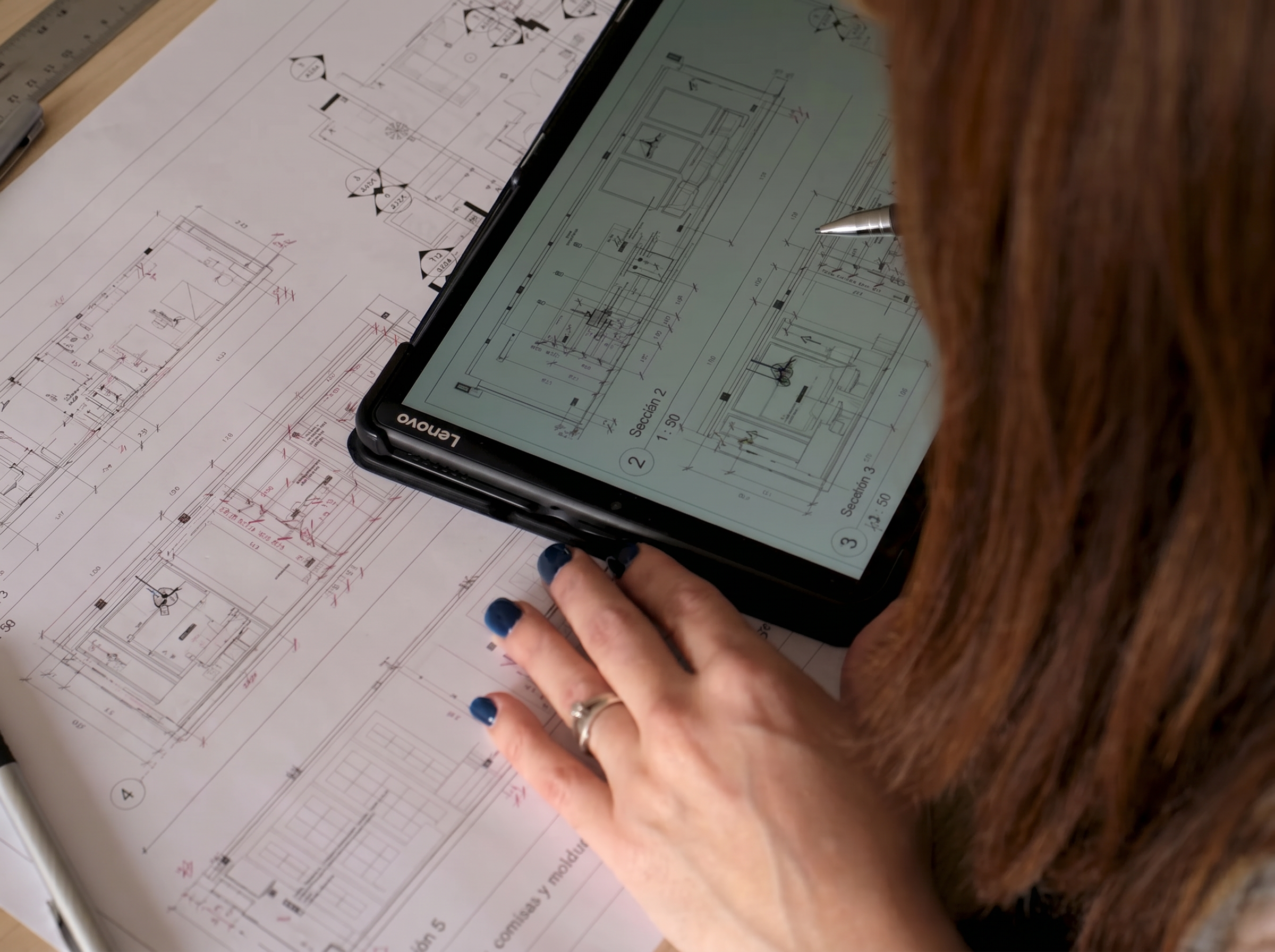
A successful renovation starts long before demolition. Every key decision — layout, lighting, materials, joinery, finishes, sanitary ware, tiles, fabrics and furniture — should be considered in advance, not during the build. When the creative direction is clear from the beginning, the whole project becomes easier to manage and much more cohesive.
As an Interior Designer, I spend a significant amount of time shaping that direction so that the home reflects the client’s lifestyle, taste and priorities. The more decisions you make before work begins, the fewer surprises you will face later.
2. Make everyday life easier
Good renovation planning is not only about beauty, but also about practicality. Think carefully about sockets, lighting points, storage, ventilation and outdoor spaces, because small oversights quickly become daily frustrations. It is much easier to plan these details properly at the beginning than to solve them once walls are already open.
The order of work also matters. For example, if drainage or structural changes are involved, the sequence of the renovation must be planned carefully so trades do not work against each other.
3. Slow and steady wins the race
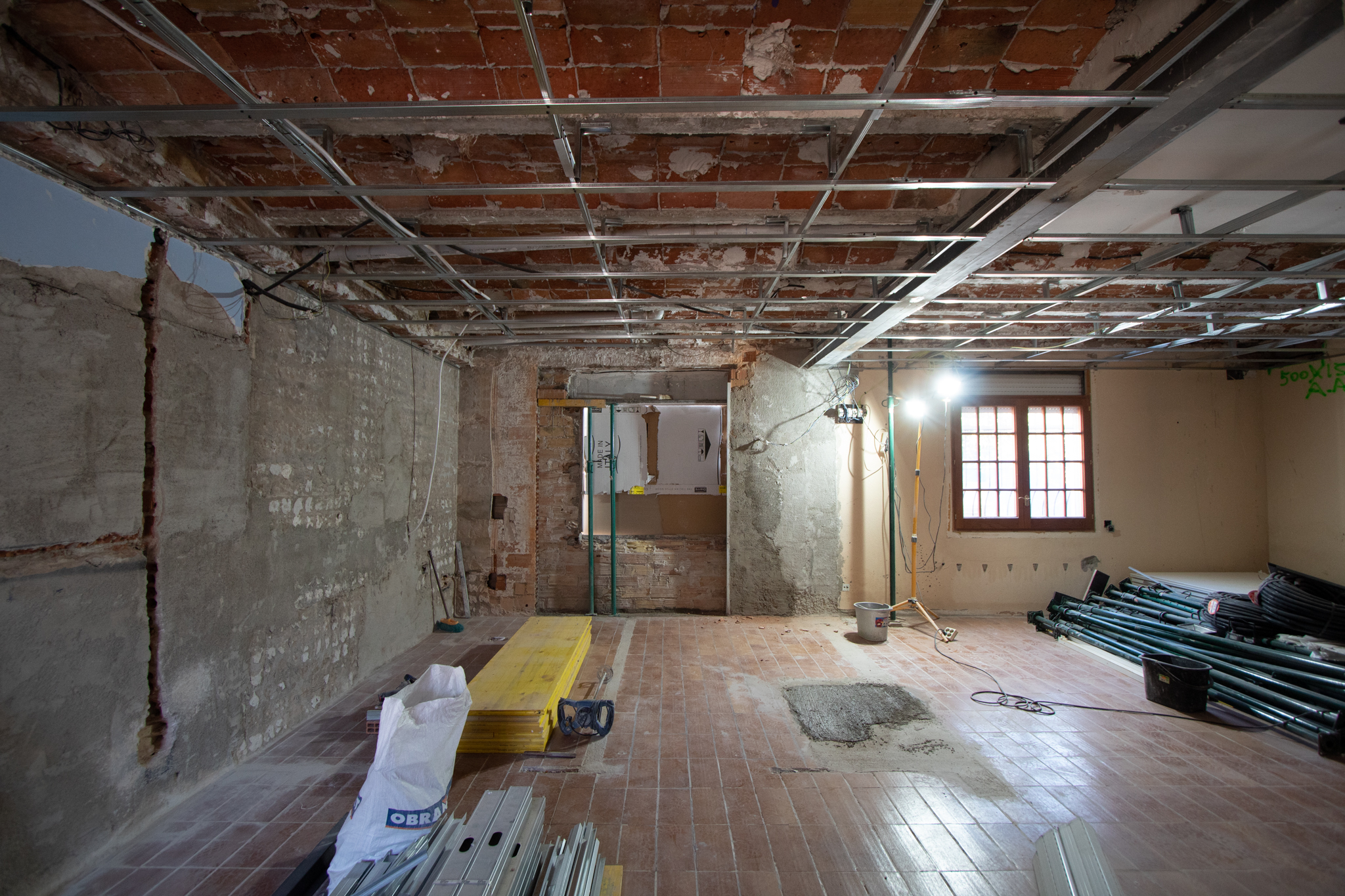
Renovations move in stages, and some stages are slower than others. Demolition feels exciting, but rebuilding and finishing require patience, coordination and discipline. A realistic timeline is essential, because delays often happen when materials are late or when one contractor has to wait for another.
At Lady J. Interiors, I define deadlines for each phase so the project progresses logically and the budget is spent where it has the greatest impact. That kind of structure protects both the result and the client’s peace of mind.
4. Stay proactive
There is no such thing as over-planning in a renovation. Every room and every detail needs to be considered carefully, from the kitchen sink to wallpaper quantities. The earlier you make decisions, the less likely you are to compromise on quality just because something is available immediately.
Unexpected issues can still appear, even in the best-managed projects. What matters is not whether problems arise, but how quickly and calmly they are solved. A reliable team makes that process much smoother.
5. Cheap labour can be the most expensive mistake
Specialisation matters. In renovations, hiring the cheapest option often leads to costly corrections later. Tiling, plumbing, electrical work and joinery all require proper expertise, because poor execution can affect both the finish and the long-term durability of the home.
When you pay for labour, you are also paying for judgment, responsibility and technical knowledge. That is why I work with specialists who understand their craft, apply regulations correctly and can take ownership of their work.
6. Budget with a contingency
A realistic budget is essential, but it should always include a contingency of around 10–20%. Renovations often reveal hidden issues once work begins: old pipes, damaged floors, structural surprises or outdated installations that were impossible to see at the quote stage.
Planning for that margin makes the process far less stressful and helps you respond sensibly when the unexpected appears. In a complete renovation, flexibility is not a luxury — it is part of good planning.
7. Think carefully before living in the property during the renovation
Living in the home during a full renovation usually makes the process slower, more disruptive and more stressful. Dust, noise, privacy issues and constant interruptions can take a real emotional toll, and staged work often increases labour costs and extends the timeline.
Whenever possible, it is worth considering temporary accommodation during the works. It protects your wellbeing and allows the project to move forward with fewer interruptions and a clearer overall vision.
8. Organise your belongings early
Storage is often underestimated. If you are keeping furniture or personal items, arranging a storage unit in advance can make the renovation much easier for everyone involved. It protects your belongings and gives contractors the space they need to work efficiently.
If you are discarding furniture, plan that process early too. Waste removal and disposal can become surprisingly expensive if left until the last minute.
9. Don’t forget the outdoor space
A home is more than its interior. The garden, terrace or entrance area can have a huge impact on how the house feels and functions. Sometimes a few well-chosen outdoor improvements — non-slip flooring, planters, a barbecue area or better circulation — can transform the way a home is lived in.
I always like to look at the house holistically, because small exterior interventions can add a lot of value without dramatically increasing the budget.
If you would like expert guidance on your complete renovation in Sitges, please start here and complete the questionnaire on this link.